Japanese tea has quietly earned a devoted following far beyond the shores of Japan. From the vibrant green of ceremonial matcha to the toasty warmth of hojicha, there is something deeply satisfying about a cup made with centuries of craft behind it. Yet, with so many brands available both online and in specialty stores worldwide, picking the right one can feel like a guessing game.
The good news is that whether you are a first-time buyer or a seasoned tea lover looking to refine your collection, there are brands out there that deliver real quality at every price point. Some have been perfecting their craft since before modern nations existed. Others have taken traditional methods and made them accessible to people living busy, contemporary lives.
This article covers the 10 best Japanese tea brands available right now, looking at what makes each one stand out, who their teas are best suited for, and what you should know before spending your money. By the time you finish reading, you will have a clear picture of where to start — or where to take your tea experience next.
How We Selected the Best Japanese Tea Brands
Our team of beverage specialists spent time researching, tasting, and cross-referencing expert sources to identify the Japanese tea brands that consistently deliver quality, value, and authenticity across different consumer needs.
- Heritage and reputation: How long has the brand been producing tea, and do industry insiders and tea ceremony schools trust them?
- Product range: Does the brand offer a meaningful selection of tea types — from matcha and sencha to gyokuro, hojicha, and genmaicha?
- Sourcing transparency: Can you trace where the leaves come from, and does the brand clearly communicate its growing regions?
- Flavor and quality consistency: Are the teas praised for consistent flavor profiles rather than one-off batches?
- Accessibility: Is the brand reachable for international shoppers through an online store or global retailers?
- Value for money: Does the price reflect genuine quality, not just premium packaging?
- Consumer trust: What do real buyers say after extended use, and does the brand address common concerns like freshness and shelf life?
Every brand on this list earned its place through a combination of these criteria — not just one or two. That foundation ensures what follows is genuinely useful guidance rather than a surface-level ranking.
Best Japanese Tea Brands (Expert Review)
The following ten brands represent the best of what Japanese tea culture has to offer across a wide spectrum of budgets, preferences, and experience levels. Each one brings something distinctive to the table.
1. Ippodo Tea Co.
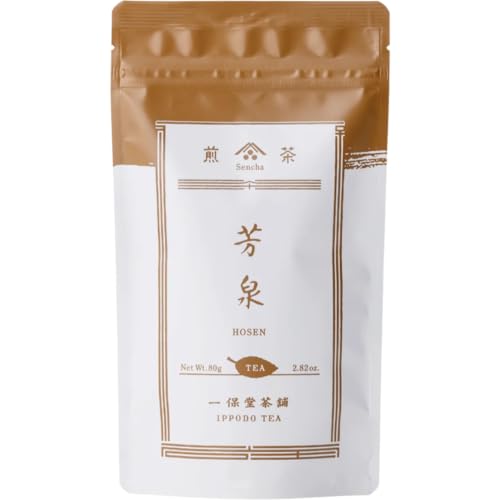
Ippodo Tea Co. has been a fixture in Kyoto since 1717, making it one of the oldest and most respected names in Japanese tea. The brand supplies tea to traditional ceremony schools and luxury establishments around the world, and its reputation among tea masters is essentially unmatched.
Their teas shine brightest for anyone who takes the ritual seriously. The range of matcha grades is especially well-curated, walking buyers through options from beginner-friendly blends to deeply complex ceremonial grades with rich umami and minimal bitterness.
Ippodo ships internationally through its own website and maintains physical stores in Kyoto and Tokyo. Pricing sits in the premium range, which is fair given the quality and heritage. Newcomers are well catered for too, with brewing guides and detailed tasting notes on each product.
2. Marukyu Koyamaen
![Marukyu Koyamaen Premium Ceremonial Grade Matcha [Japan][Multiple Grades] (Aorashi, 40g)](https://m.media-amazon.com/images/I/31qmaXfFBTL._SL500_.jpg)
Few brands command as much respect in matcha circles as Marukyu Koyamaen. Based in Uji, Kyoto since 1704— widely considered the spiritual home of Japanese matcha — this family-run company has been cultivating and processing tea for over 300 years, winning more than 21 national competition awards along the way.
What sets this brand apart is an unwavering commitment to quality at every stage of production. Leaves are shade-grown using the traditional tana method, then stone-milled to a fine, silky powder that produces the deep green color and layered umami that serious tea drinkers prize.
3. Ito En

Ito En is arguably Japan’s most innovative mainstream tea company founded 1966. The brand is credited with producing the world’s first canned green tea in 1985 and the first green tea in a PET plastic bottle, fundamentally changing how people consume tea on the go. That forward-thinking spirit continues today.
Their Oi Ocha line is the benchmark for everyday Japanese green tea — clean, balanced, and made entirely from domestically grown leaves. If you want a reliable daily cup without any guesswork, Ito En delivers that consistently at a price most people can manage.
The brand is ideal for those stepping into Japanese tea for the first time, as well as people who want quality without committing to loose-leaf brewing. Their range covers tea bags, loose leaf, bottled tea, and matcha powder, so there is an entry point for every lifestyle.
4. Fukujuen
Fukujuen has been operating out of Kyoto since 1790, when tea merchant Iyemon Fukui set up shop in the historic Yamashiro tea region. The brand has since grown into a comprehensive tea company that blends old-world reverence with modern accessibility, operating a tea museum and cultural education programs alongside its commercial range.
Their sencha and gyokuro selections are particularly well-regarded. Fukujuen sources its leaves from the Uji region, and the difference in cup quality is noticeable — there is a depth and softness to the flavor that mass-market options rarely achieve.
5. Yamamotoyama
Yamamotoyama is one of the oldest commercial tea companies in Japan, with roots stretching back to 1690 in Tokyo. In 1835, the brand made history when its proprietor developed gyokuro — a shade-grown green tea now considered one of Japan’s most prized and expensive varieties — a contribution that shaped the entire industry.
Today, the brand is best known for making quality Japanese tea accessible. Their genmaicha, a blend of green tea with roasted brown rice, is a household staple beloved for its warm, nutty aroma. For casual home drinkers who want authenticity without intimidation, Yamamotoyama is a dependable choice.
The brand is widely available in supermarkets across the United States and other Western markets. Pricing is firmly in the affordable range, and the product range extends to nori seaweed, reflecting the brand’s deep roots in Japanese food culture as a whole.
6. Sugimoto Tea Company
Sugimoto Tea Company was founded in Shizuoka in 1946 and controls its production process from farm to finished product, which means quality control stays consistent rather than being farmed out to middlemen. The brand specializes in Shizuoka-grown teas, showcasing the distinctive character of that region’s soil and climate.
Certified organic options and single-origin farm traceability make Sugimoto appealing to health-conscious shoppers who want to know exactly what they are drinking and where it came from. Their packaging is designed to preserve freshness, and they offer culinary-grade matcha for those who enjoy cooking with tea.
7. Maeda-en
Maeda-en has carved out a loyal audience by consistently experimenting with green tea formats without sacrificing the integrity of the leaf itself. The brand offers an unusually wide variety of products — from conventional sencha bags to green tea ice cream mixes and latte powders — making it one of the most versatile Japanese tea brands for Western shoppers.
Their teas are made from high-quality leaves and carry the catechin levels that green tea is celebrated for. The convenient, individually foil-wrapped tea bags are particularly popular because they preserve freshness right up until the moment you brew.
Maeda-en suits people who want to explore Japanese tea in creative ways beyond the traditional cup. If you are curious about cooking and baking with matcha or building a green tea routine that fits a busy schedule, this brand offers plenty of starting points at very reasonable prices.
8. Tsuen Tea
Tsuen Tea is believed to be the oldest tea shop in Japan, with origins dating back to 1160 in the Uji region of Kyoto. That kind of history means their approach to tea production is genuinely steeped in tradition — and the quality of their blends reflects that deeply considered legacy.
The brand focuses primarily on blended teas rather than single-origin varieties, offering carefully balanced combinations of sencha and other green teas that reward slow, mindful brewing. Tsuen is available internationally through select specialist tea retailers and online platforms.
9. Obubu Tea Farms
Obubu Tea Farms operates out of Wazuka, a small tea-farming village in Kyoto prefecture. Unlike many larger brands, Obubu runs its own farm and produces a wide range of tea types directly — from shade-grown gyokuro and tencha to hojicha and cold brew sencha. That farm-to-cup model gives their teas a freshness and traceability that is hard to replicate at scale.
The brand also runs cultural programs where visitors and online subscribers can experience Japanese tea farming firsthand, making it a standout pick for people who value connection and transparency alongside flavor. Their teas are particularly well suited to curious, engaged buyers who enjoy learning as they drink.
Obubu’s pricing reflects the artisan nature of their work — expect to pay a bit more than you would for a supermarket brand. For the price, however, you receive teas with genuine character and a story behind every batch. Loose-leaf formats are their strong suit, so a teapot or infuser is recommended.
10. Morihan
Morihan is a family-run company founded in 1836 that has earned its place as a trusted everyday tea brand in Japan. While it may not carry the same ceremonial prestige as Ippodo or Marukyu Koyamaen, Morihan excels at delivering consistent, flavorful tea products at prices that make daily consumption genuinely realistic for most people.
Their matcha au lait powder and hojicha tea bags are especially popular for their simplicity and versatility. Home cooks frequently reach for Morihan’s matcha powder for baking and sweet-making, and the brand’s easygoing accessibility makes it particularly well-suited for younger shoppers or families discovering Japanese tea culture.
Final Thoughts
Japanese tea is one of the few beverages where a modest investment in the right brand genuinely transforms your daily experience. Whether you are after the meditative ritual of ceremonial matcha, the comforting warmth of genmaicha on a quiet morning, or the clean simplicity of a well-brewed sencha, there is a brand here that fits your life and your budget.
The best starting point is always the tea type that already appeals to you, then finding the brand whose sourcing, price point, and values feel like the right match. Your perfect cup of Japanese tea is already out there — this list simply brings you closer to finding it.