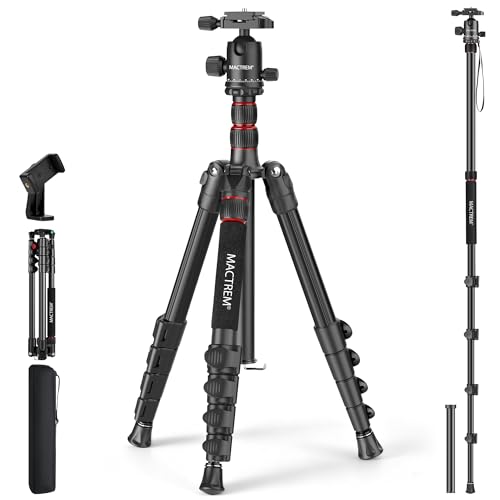
Buying a tripod for a heavy camera is not as simple as picking the tallest or the cheapest model. A tripod that cannot properly support your gear can lead to shaky photos, frustrating adjustments, and in the worst cases, expensive accidents.
That is why we compared a range of popular options built for larger cameras and heavier setups. We focused on stability, ease of use, build quality, and practical features that actually make a difference during real shooting sessions.
The five tripods below each offer something different, making it easier to find the one that fits your shooting style and equipment.
 How We Selected the Best Tripods for Heavy Cameras
A heavy camera setup places much greater demands on a tripod than a lightweight mirrorless body or smartphone. We compared products that advertise stronger support, practical shooting features, and dependable construction. Every model was evaluated using the manufacturer information you provided while considering how its design would perform during travel, landscape photography, portraits, video work, and everyday photography.
Our goal was to recommend tripods that balance stability with portability while offering enough flexibility for different shooting situations.
- Build Quality: Durable aluminum construction and solid joints that help reduce unwanted movement.
- Load Capacity: Support ratings suitable for heavier DSLR and mirrorless camera combinations.
- Height Range: Enough adjustment for both low angle work and comfortable eye level shooting.
- Head Design: Ball heads and pan heads that allow smooth positioning and precise framing.
- Portability: Folded size, weight, and carrying options for photographers who travel.
- Extra Features: Useful additions such as monopod conversion, phone mounts, hooks, and quick release systems.
- Ease of Operation: Locking mechanisms and controls that allow quick setup without slowing down a shoot.
Each recommendation below earned its place because it offers practical value for photographers who need dependable support instead of unnecessary extras. With that in mind, here are our top picks.
Best Tripods for Heavy Cameras (Detailed Review)
Each tripod below brings its own strengths. Some focus on maximum portability while others offer greater height, versatility, or load capacity for demanding photography sessions.
1. K&F Concept 64 Inch Camera Tripod That Balances Strength and Portability

The K&F Concept tripod immediately stands out because it combines a lightweight aluminum body with an impressive 17.6 pound load capacity. That makes it a practical choice for photographers who carry heavier cameras without wanting an oversized tripod.
Its compact folded size of only 15.5 inches makes it easy to slip into the included carrying bag. During travel, this smaller footprint can make a noticeable difference compared with bulkier alternatives.
We especially liked the 36 mm ball head. It rotates smoothly through a full 360 degrees, allowing accurate framing whether you are shooting landscapes, architecture, or panoramic scenes.
Another useful feature is the reversible center column. It supports very low angle photography and specialized shooting positions that are difficult with many standard travel tripods.
Key Specs
| Specification | Details |
|---|---|
| Maximum height | 64.1 inches |
| Folded length | 15.5 inches |
| Weight capacity | 17.6 pounds |
| Weight | 2.53 pounds |
| Material | Aluminum |
| Head type | 36 mm ball head |
Pros
- Excellent balance of strength and portability
- Smooth 360 degree ball head
- Compact folded size
- Inverted center column for creative angles
Cons
- Maximum height is lower than some competitors
- Ball head may require practice for beginners
2. UBeesize 74 Inch Camera Tripod With Excellent Versatility

If you regularly switch between cameras and smartphones, this UBeesize model offers impressive flexibility. It supports cameras, spotting scopes, binoculars, projectors, and mobile devices without requiring extra accessories.
Instead of using a standard single handle, it features a dual handle design that gives better control while adjusting framing. During careful composition, this extra control can make movements feel more precise.
The tripod also includes a wireless remote and an adjustable phone holder, making it especially useful for content creators who shoot both still images and video.
Its included carrying bag and center hook add convenience when traveling or working outdoors where extra stability is often helpful.
Key Specs
- Maximum height: 74 inches
- Folded size: 17.44 × 5.04 × 4.57 inches
- Compatible with cameras, phones, spotting scopes, and binoculars
- Includes wireless remote
- Includes adjustable phone holder
Pros
- Dual handle improves camera control
- Excellent device compatibility
- Remote included
- Convenient travel bag
Cons
- Long term durability may vary with heavy use
3. CAMBOFOTO 74 Inch Aluminum Camera Tripod Offering Great Everyday Value

This CAMBOFOTO tripod delivers an appealing mix of stability and portability for photographers who need dependable support without carrying excessive weight.
The adjustable height ranges from 20 inches to 74 inches, giving enough flexibility for tabletop shooting, portraits, outdoor photography, and video work. We found that range useful for photographers who frequently change shooting positions.
Its aluminum construction keeps total weight down to only 2.8 pounds while supporting equipment up to 8.8 pounds. That makes it particularly attractive for standard DSLR and mirrorless setups.
The smooth pan and tilt head also deserves recognition. It provides fluid camera movement that works well for both panoramic photography and basic video recording.
Key Specs
- Height range: 20 to 74 inches
- Weight capacity: 8.8 pounds
- Weight: 2.8 pounds
- Material: Aluminum
- Pan and tilt head
- Includes phone mount and carry bag
Pros
- Very lightweight
- Smooth pan and tilt movement
- Easy to carry
- Good everyday versatility
Cons
- Lower weight capacity than some heavier duty models